adobestock 74128280

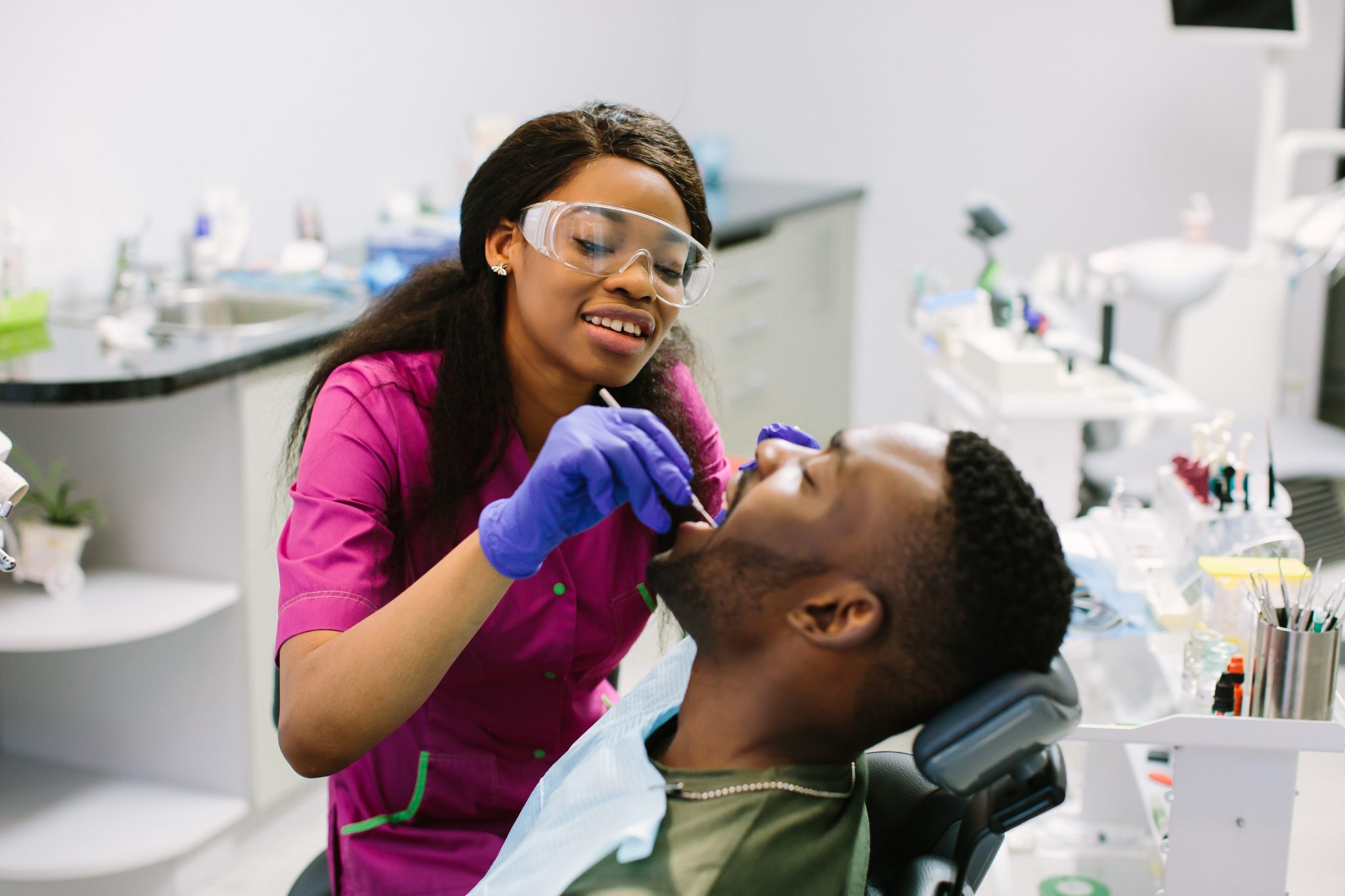
If you have pain in the gum area around a dental bridge, it may be time to see your dentist. There are several things that can cause pain around a dental bridge, and it is important to make an appointment right away. We offer a flexible schedule and extended hours to help patients that need to be seen right away. Your health is our priority and if you find yourself in pain, we encourage you to contact us right away, so we can help diagnose and treat the issue.

Why Would I Have Pain Around My Bridge?

There are a few different reasons why you may be experiencing pain around your bridge. A detailed examination of your teeth, gums, and the bridge will be required to determine the cause and treatment necessary. Our doctor will ask questions about when the pain started and how long the pain lasts. X-rays may be needed to provide a clear picture of your teeth and gums.

Decay or Infection

Sometimes food or debris can get stuck in between your teeth and cause decay. This can cause pain around the gum area of your bridge. If your bridge does not fit properly, this may allow bacteria and plaque to enter underneath or between teeth, and cause pain or an infection.

Sensitivity

Some sensitivity is common with a newly fitted bridge. Patients may experience sensitivity with hot or cold, but this should subside after a few weeks.

When Should I Call the Dentist?

After a bridge procedure, patients may experience some pain, but this should subside after a few days. If you notice your pain lasts more than a few days we recommend calling our office. This could indicate you have a dental bridge that does not fit properly, or a potential infection. Leaving an infection untreated can cause more serious issues, and should be addressed right away.

We recommend following good oral hygiene habits at home, and carefully brushing and flossing around your bridge. This will help to ensure all of the food and bacteria is removed each day, and prevent pain or infection. Flossing is extremely important, and our staff will discuss how to floss properly, and review how to care for your bridge at home.

Ready to Schedule Your Appointment?

If you have pain around your bridge and would like to schedule an appointment, we are happy to help. Your oral health is our priority, and patients should never leave pain untreated. Our doctor can evaluate your issue, and get you on the road to being pain free quickly.

Pain can indicate infection and can cause more serious issues if it is not addressed immediately. Our team is here to help, and we provide a calm and relaxing environment for our patients. Our office is equipped with state-of-the-art technology and equipment, making the latest dental products available to our patients. We strive to provide exceptional care, and we make sure each visit is a positive experience.

To schedule your appointment, contact our staff will be happy to assist you!

adobestock 215496499

Crowns are similar to a cap that is placed over a tooth, and are used to save and restore a damagedtooth. Crowns look natural and allow patients to use their tooth again. The color of a crown canalsobematched to your natural teeth, and crowns help to make damaged teeth strong again.

When Would a Crown be Necessary?

  • To repair a cracked or damaged tooth
  • After root canal treatment
  • To help restore a misshapen or stained tooth
  • To repair an existing crown that does not fit properly

Crowns can last anywhere between 5 to 15 years depending onwear and tear. Over time if thecrownfaces a higher level of wear and tear, this can lead to theneed for crown replacement. Ifyou use goodoral hygiene and you are careful with your crown they can last up to 25-30 years.

Tips To Help Your Crown Last Longer

  • Avoid biting down on hard objects or foods to prevent wear and tear of the crown.
  • Attend regular cleanings in our office so we can ensure all looks good and your crown remains healthy.
  • Avoid grinding or clenching your teeth. If you suffer from bruxism we may recommend a mouth guard.
  • Make sure you are brushing and flossing daily, and you pay attention to the crown area while brushing.

If you experience any pain in or around your crown, or notice any cracks or chips please contact our office immediately. We will get you in to be seen as soon as possible.

Looking To Find Out More About Crowns?

If you are interested in finding out more about crowns and how they may benefit you, schedule a consultation in our office. We provide a detailed consultation process for all of our patients, and can recommend treatment options that work for you. Your oral health is our priority, and we go above and beyond to provide the highest level of care for all of our patients.

To schedule an appointment please contact our office,and our friendly staff will be happy to assist you.

adobestock 67766775

Invisalign is a great alternative to traditional braces. This treatment does not have any brackets or wires, and uses removable acrylic trays. The trays are worn in a series over time each day, and move your teeth gently into place. Invisalign trays are easily removable for eating, drinking, and cleaning. They have a blue indicator that helps to tell the patient that they have worn the tray for the required time each day. This indicator is especially helpful to younger teen patients, and helps to alert parents if the child is wearing their trays for the required amount of time.

Are You a Good Candidate for Invisalign?

We want our patients to be proud of their smile and choose the option that works best for them. A smile is the first thing you see, and our team will ensure each patient achieves their smile goals. When you choose Invisalign you may wonder if you are a good candidate. Both adults and teens are good candidates for Invisalign. This type of treatment helps with overcrowding, chewing, or overbite problems. During our thorough consultation process we will discuss each patient’s level of correction, age, and smile goals to help them choose which orthodontic treatment is best.

Can I Still Get Invisalign if I Have a Cavity?

We want our patients to be in good general and oral health. If you tend to have cavity prone teeth, you still are a candidate for Invisalign. Our team will work with you to address any current cavities before you begin your Invisalign treatment. We will closely monitor your oral health with visits to our office to get in front of any future cavities.

Treatment of cavities takes priority before a patient can begin Invisalign treatment. Once a cavity is treated the filling can change the shape of the tooth. It is important to treat the cavity before the patient is fitted for the Invisalign aligner trays.

What If I Develop a Cavity During My Invisalign Treatment?

Developing a cavity during Invisalign treatment is possible, and we always address a cavity right away when they are identified during your dental exam in our office. Our staff will determine a treatment plan, and recommend how to handle the cavity during your orthodontic treatment.

In some cases we can ensure the shape of the tooth remains the same by shaping the filling to match your Invisalign aligner trays. If the cavity is small enough we may just monitor the area, and recommend good oral hygiene habits to ensure the cavity does not get worse. It is important for patients wearing aligner trays to practice proper oral hygiene habits to ensure food and bacteria do not get stuck underneath the trays. Cleaning the trays daily is important to rinse any bacteria or particles away.

How Can I Learn More About Invisalign ?

If you are interested in learning more about Invisalign, and if this is the orthodontic solution for you, ourteam is here to help get you on the road to a beautiful smile.Our detailed consultation process willexamine your teeth and mouth, and we will recommend what treatment options are available. We workwith each patient to help decide which orthodontic treatment works best.To schedule your orthodontic consultation, contact our office and our friendly staff will be happy to assist you! 

Interested in Whitening Your Teeth?

If you are interested in finding out more about our teeth whitening services, contact Gentle Touch Dental Care, and our friendly staff will be happy to help you.

General Dentistry

General Dentists provide services to diagnose, treat, and maintain your oral health. Our office specializes in general dentistry, and this includes preventative, corrective, and restorative treatment for patients. Our general dental care services allow us to remove any decay or disease from your teeth and gums. We preserve your natural teeth and keep you looking and feeling great.

Visiting our office regularly to maintain your oral health is important. Starting out good habits at an early age can create a good foundation for taking care of your teeth. Preventative treatment helps to keep teeth and gums healthy, and stop decay. During your exam in our office, we will evaluate your teeth and mouth, and develop a customized treatment plan that is tailored to your needs.

What Treatments Are Included in General Dentistry?

Our office has many general dental services to help keep you looking and feeling great. We provide consultations to discuss any concerns you have with your smile. Our consultation includes a detailed exam to determine what procedure is needed.

General Dentistry Services

  • Cleanings
  • Oral Exams
  • Fillings
  • Oral Cancer Screenings
  • Dental Implants
  • Extractions
  • Root Canals
  • X-rays
  • Fixed Bridges and Crowns

What Can I Expect During a General Dentistry Appointment?

Our general dentistry appointments begin with a visual exam of your teeth and mouth. If needed, x-rays are taken so we can take a closer look at the health of your teeth, gums, and jaw. We will discuss any prior health history, and review any prior x-rays if the patients had them sent over to our office.

Next, our team will perform a thorough dental cleaning. This removes plaque from the teeth and gums and polishes the teeth. We also check any existing restorations to ensure they are all stable and in great condition. This includes fillings, implant, bridges, and crowns. Our team will also do an oral cancer screening of the mouth and tongue.

If there are any areas of concern, we will discuss those details with you and create a customized treatment plan. Our staff will discuss next steps if you require further treatment. Patients may have to return to our office for another appointment depending on what is required.

Interested in Scheduling an Appointment?

Attending your regular exams twice a year in our office is an essential part to our oral health. We can help maintain your teeth and gums and keep them looking and feeling great. Exams allow our team to get in front of any potential complications or decay, and prevent serious complications. Let us help you take charge of your oral health, and call our office today!

If you are interested in scheduling your cleaning and exam with us, please contact Gentle Touch Dental Care, and our friendly staff will be happy to assist you!

general dentistry

Do you notice when you smile you see gum tissue more than your teeth? This is known as a gummy smile, and many patients are bothered by how their smile looks. There are treatment options to correct a gummy smile, and we are here to help you find a treatment that works best.

What Can Cause a Gummy Smile?

  • Your Bite

Your bite can be genetic and your top jaw may not align properly with your bottom jaw. If your bite causes the upper jaw to protrude this can cause a gummy look.

  • Hyperactive Upper Lip

If your lip raises up too high gum tissue may be exposed, and this results in a gummy smile.

  • Excess Gum Tissue

The most common cause of a gummy smile is having too much gum tissue. In many cases gum tissue can over grow when permanent teeth erupt in the mouth.

What Are My Treatment Options?

Crown Lengthening

Crown Lengthening helps to reshape the gum tissue around the tooth and correct a gummy smile. This procedure exposes more of the patient’s natural tooth and make the teeth look longer.

Gum Contouring

Gum contouring can help change the shape of your gum, and this can be done if you have excess gum tissue. This procedure also helps if the gum line is uneven. Gum contouring removes the excess gum tissue and exposes more of your teeth. This helps to give patients a beautiful even looking smile.

Scaling and Root Planing

If a gummy smile is caused by inflamed gums a deep cleaning treatment may be recommended. Scaling and root planing reach down deep into the gum pockets to remove bacteria. This can help the gummy appearance subside.

Lip Lowering

This procedure involves removing a section of gum tissue to reveal a shorter looking lip. This keeps the upper lip from rising too high and exposing your gum tissue.

Orthodontics

If you have an issue with your bite orthodontics may help correct your gummy smile. Orthodontic treatment can help adjust your bite to avoid gum tissue showing when you smile.

Looking To Take the Next Step to a Beautiful Smile?

If you are looking to correct your smile we encourage you take the first step and schedule a consultation in our office. This will give our team the opportunity to evaluate your concerns, and discuss possible treatment options that work for you. We want you to be proud of your smile, and we are here to help you get the smile you have always wanted.

If you are interested in scheduling a cosmetic consultation, contact our office and we will be happy to assist you.

Bad Breath

Many people suffer from chronic bad breath or halitosis. Bad breath is something you do not want to be known for, and typically finding the cause is easy. If you suffer from bad breath but also brush, floss, or gargle each day the cause may not be obvious. Taking the time to figure out the underlying problem that may be causing your bad breath is important, and finding a cure can be simple.

Common Cause of Bad Breath

Dental Hygiene

The first area patients should focus on is their dental hygiene habits. Gum or mints are only a short term solution, and finding the cause is the only way you can truly get relief from bad breath. Looking at your dental hygiene is a great place to start because dental hygiene is the most common cause of chronic bad breath. About 85% of bad breath comes from inside the mouth. If you do not brush and floss daily, bacteria can get left behind and cause issues with your breath. Bacteria eats the leftover food particles in your mouth, and as a result leaves a foul smelling odor in your mouth and on your teeth.

Devices

If patients wear retainers, dentures, or mouthguards while they sleep, these devices can trap bacteria or food particles if not cleaned properly. This can attribute to halitosis or chronic bad breath. Taking care of your teeth and mouth is extremely important for your overall and oral health, and can prevent issues such as bad breath that could be embarrassing around others.

Cavities or Infection

If you suffer from cavities or have an infection lingering in your mouth that has not been treated, this can cause bad breath. Attending regular visits to our office for your dental cleaning and exam is important. Our skilled staff can get in front of issues such as cavities or infections and prevent further problems in the future. If patients have issues with their tonsils or throat, this can cause bad breath, and can be from an infection such as strep throat. Patients should seek treatment from their primary care physician if they feel there is an issue with their tonsils or throat.

Dry Mouth or Dehydration

Dehydration or dry mouth is a common cause of bad breath. Saliva and water wash away bacteria or food particles. If your mouth is not hydrated this reduces saliva and can cause halitosis. Our saliva contains pertinent minerals and proteins that help defend against bacteria. Staying hydrated is important to keep our mouth healthy and to prevent bad breath.

Other Possible Causes for Bad Breath

  • Diabetes
  • Throat or mouth cancer
  • Sinus infection
  • Digestive issues
  • Acid reflux
  • Lung infection 
  • Liver disease

What Can I Do to Cure My Bad Breath?

  • Brush and floss two times a day
  • Use an antimicrobial rinse daily
  • Tongue scrape daily to remove bacteria
  • Remove any devices and clean them thoroughly
  • Visit our dental office for regular cleanings and exams
  • Review your diet and try and stick to eating healthy foods
  • Drink water and stay hydrated
  • Avoid tobacco products

Looking For Help With Chronic Bad Breath?

There are many simple solutions to cure bad breath. We encourage you to make an appointment for an exam in our office to discuss your concerns. Our skilled staff can help give you tips, and our thorough dental exam can help identify any issues you may have that could be causing chronic bad breath. If you have already tried simple solutions and still notice your bad breath does not go away, we may advise you make an appointment to see your primary care physician. 

If you are interested in finding a solution to cure bad breath we can help. To schedule your appointment contact our office, and our friendly staff will be happy to assist you!