For Patients Who Are Missing One

If you’re currently missing one or more of your teeth, you may be looking for a way to transform your smile without compromising any more of your natural teeth. Rather than wear a partial denture, an implant can be placed to work on its own. Implants are designed to replace the root system as well as the crown of a missing tooth. This allows the implant to act as a foundation for other types of restorations, like crowns and bridges. Some patients will even use multiple implants to hold their denture in place, preventing the need for adhesive strips or gels.

If You’re Currently Missing One Or

Understanding the Technology Behind Implants

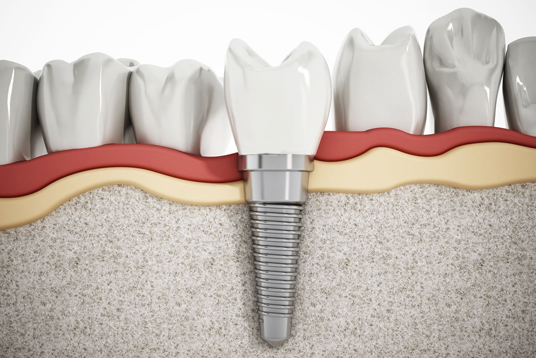
Implants are often made out of surgical-safe titanium. This titanium has been used in other procedures and prosthetics for many years. During surgery, the implant’s post is inserted into the jawbone and given time to heal. The healing process takes anywhere from three to six months. During this time, the implant undergoes a process known as osseointegration, which means that it will fuse naturally with the jawbone. This ensures that it is a solid and stable part of your smile for life.

Understanding The Technology Behind Implants

Who is a Good Candidate for Implants?

Because implants need healthy, solid bone to fuse with during the recovery process, patients should be free of any areas of bone loss where the implant is needed. To determine if you have bone loss, we’ll take x-rays and perform an examination. If it’s found that you do have bone loss, it is important to consider having a bone grafting done prior to the implants being placed into the jawbone. This can prevent the implant from becoming loose, which may cause it to fail over time. However, it is important to remember that the majority of our patients who want or even need a new implant can safely have the procedure done without needing additional surgeries or treatments.

What Can Be Expected During the Implant Procedure?

The procedure involves carefully inserted and embedding an implant into the jawbone. While the implant is healing, you will come in for regular checkup visits. We can check on the new implant to make sure that it is healing properly. Once fused with the bone, we will make a restoration that fits perfectly over the top of the new implant.

If you would like to learn more about how implant technology works, call us today so that we can help to answer any and all of your questions.

Most Implants Are Made Out Of Titanium

For patients who are missing one or more of their natural teeth, new technologies have come along to help replace what they’re missing. Dental implants work on their own, preventing the need for a partial denture or fixed bridge. The implant replaces both the roots as well as the upper crown of a missing tooth. You can benefit from a full, healthy and restored smile that will last you for years to come.

For Patients Who Are Missing One

What are Implants?

Most implants are made out of titanium, which is a durable and highly resilient material used in surgical procedures. The titanium implant’s post is embedded deep into the jawbone. It is given time to fuse and bond with the bone during a process that is known as osseointegration. Once fused, a crown or bridge can be made to be placed over the very top of the implant. Some patients even use multiple implants to hold a denture in place for a more secure and stable fit.

Most Implants Are Made Out Of Titanium 1

How Long Will an Implant Last?

The reason implants are a go-to option for many who are looking to restore their smiles is because they last for decades. In fact, most patients who have older implants have had them for 30 to 40 years without experiencing any problems. The implant itself is a restoration that you simply will not have to worry about once it has been given some time to heal. The process of osseointegration of the implant can take anywhere from three to six months. Once the implant has healed, you can feel confident that is will last you for a lifetime without needing repairs or total replacement.

Ways for Your to Maintain New Implants

The best way for you to maintain a new implant is with proper oral hygiene and regular trips into the dentist. Bone loss can loosen and cause damage to the implant itself. Because gum disease can lead to bone loss, preventing the disease with regular brushing and flossing is an absolute must. You should also make it a habit to come into the office every six months for a checkup visit. This allows us to check on the implant to ensure that it is still stable and strong underneath the gums.

If you would like to learn more about dental implants, call our office today and we can get you in for a quick and convenient consultation appointment.