Pcleaning2

Dental cleanings are integral part of our oral health, and are typically recommended twice a year. Keeping our teeth and gums free and clear of harmful bacteria is important. At Gentle Touch Dental Care, our team is proud to offer general dental treatments like dental cleanings in St Charles, IL. We strive to provide quality services for our patients, and always make sure our patients are relaxed and comfortable during their visit.

However, some patients have asked us if having their teeth cleaned regularly can damage the enamel on our teeth. We hope that this article can help address this common concern.

Can Dental Cleanings Damage Enamel?

Dental cleanings do not damage the enamel on your teeth! Cleanings safely remove the plaque and bacteria that builds up over time on the teeth and under the gums. If teeth are not cleaned regularly inflammation can occur, and this can lead to gum disease. Brushing at home is a great way to remove bacteria from the teeth, but brushing cannot clean our teeth like a professional cleaning. Our certified hygienists provide quality cleanings to keep your teeth and mouth healthy.

If teeth are cleaned improperly at home or by a non-professional, damage can occur to the enamel. Enamel is extremely durable, and it is hard to chip or damage during cleaning exams. Enamel can wear off if patients suffer from bruxism, or use harsh brushing strokes while brushing their teeth at home. Acidic foods or drinks can also cause erosion to enamel on our teeth.

If you have concerns about the condition of the enamel on your teeth, please let our team know when you schedule your appointment.
Iaurvdfw.jpeg

What Should I Expect During my Cleaning Appointment?

Dental cleanings in our office typically take anywhere from 30-45 minutes. X-rays are taken if needed, and carefully reviewed during your exam to help our team to provide a customized treatment plan for each patient. Our skilled hygienists use special tools to carefully remove the hard layer of plaque from a patient’s teeth, and we ensure your mouth is free of any plaque or bacteria. Our staff will discuss the health of your teeth and gums, and will recommend further treatment if needed.

Your oral health is extremely important to us, and we encourage our patients to keep up with regularly scheduled dental cleanings to keep their teeth looking and feeling great. Regular dental cleanings are a great way to prevent future issues. Dental exams give us the opportunity to catch any potential issues early, and prevent serious issues from developing.

Helen Photo2

Looking for a quality Dentist in St Charles, IL for your next Dental Exam?

If you are looking for a family friendly dentist in St. Charles, IL, contact Dr. Helen Chan for your next dental cleaning. Our goal is to provide exceptional service in a family friendly environment. Our staff is available to answer any questions you may have, and we welcome all new patients to our office.

If you are interested in scheduling your next dental cleaning with us, please contact Gentle Touch Dental Care, and one of our staff members will be happy to assist you.

Feature Image 2 Veneers

Dental Veneers and Dental Implants both can give patients a beautiful white smile. Deciding what restorative or cosmetic option works best for you depends on the condition of your teeth. Our staff at Gentle Touch Dental Care in St. Charles, IL provides cosmetic and restorative consultations to all our patients to take a detailed look at your mouth and determine a customized treatment plan that works for you. We listen to your goals and look at all options to give you the opportunity to choose the best one.

So, what is the difference between the two? Typically, Dental Veneers and Dental Implants are used for different reasons. This all depends on how much damage a patient has to their teeth.

What are Dental Implants?

Dental Implants are the leading restorative solution for many patients and one of the most common procedures done today. Implants are permanent and reliable giving patients the feeling that they have natural teeth. Implants are used for patients that have lost a tooth or teeth, have suffered from periodontal disease, or an injury. Dental implants take multiple appointments across a few months to complete.

Implants last upwards of 25 years or a lifetime if taken care for properly. They provide many benefits to patients, and are comfortable in the mouth. Implants allow patients to speak, eat, and function just like they would with natural teeth.

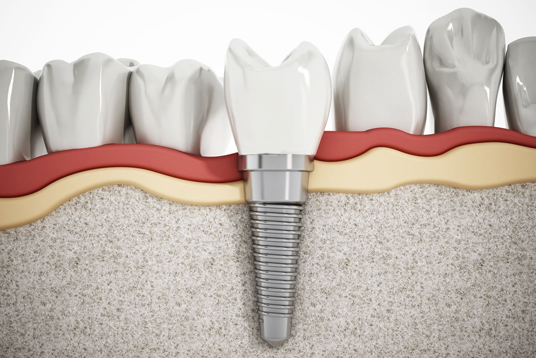
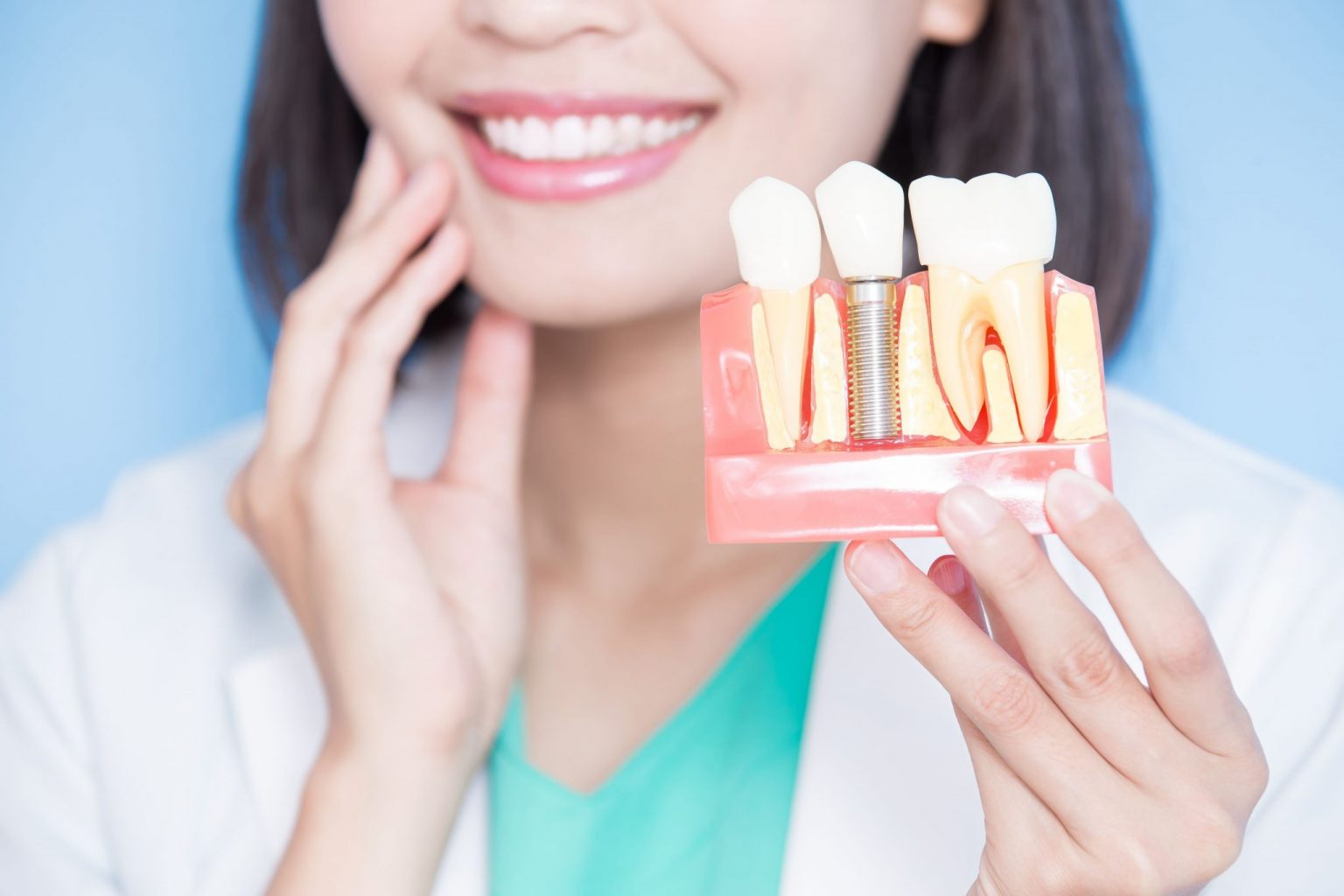
As part of our evaluation process, Dr. Helen Chan will determine if the patient has enough bone present in the jaw to support the implants. If needed, bone grafting can be done to provide the additional support. During the implant procedure metal posts are placed in the jaw, and these act similar to artificial tooth roots. These posts provide the required support needed for the implants. Once the healing process is complete, an abutment or connector is secured on top of the implants. This allows the crown to be secured on top of the implant.

Crowns are custom made to match the color, size, and shape of your teeth. Temporary crowns are used while the patient waits for the permanent crown to be placed. Practicing good oral hygiene habits and visiting our office regularly will help to keep your implants looking and feeling great.

Amsnzx8a Scaled.jpeg
Helen Photo2

Still Not Sure? Contact Our Cosmetic Dentist in St Charles, Illinois

Choosing the best option is important, and our team at Gentle Touch Dental is here to help give you all of the options available to achieve that bright white smile. We welcome all patients, and strive to always provide quality service our patients can count on.

If you are interested in finding out more about Dental Veneers or are looking to get dental implants in St Charles, IL, please contact Dr. Helen Chan to schedule your consultation.

Maxresdefault (1)

Pyorrhea or Periodontitis is a severe and advanced stage of a gum disease called Gingivitis. Gingivitis is a gum disease of relatively less intensity. During that, Gingiva becomes red and swollen. Gingiva is that part of the gum which surrounds the teeth’s base. If Gingivitis is ignored and neglected, it can worsen the condition and further lead to inflammation and infection that causes Pyorrhea.

Pyorrhea is a silent disease as its patient cannot feel significant symptoms for a long time. So, it is better to see a dentist if the minor swelling remains even after basic home remedies. Failing to do so can only worsen the situation as in Pyorrhea, the patient’s gums leave their place in the tooth cervix, which can lead to the loss of teeth.

Treatment Of Pyorrhea

Gingivitis, an initial stage of Pyorrhea

Initially, the patient’s gums become red and swollen and are often accompanied by minor bleeding. This condition is known as Gingivitis and is usually painless. A person with Gingivitis can have bad breath and taste. There can be many causes of Gingivitis. It can be commonly found in people who don’t take good care of their oral hygiene, smoke a lot and don’t brush their teeth properly. These habits often lead to a gradual formation of tartar and accumulation of plaque and hence inviting diseases like Gingivitis and Pyorrhea. Hormonal changes and some diseases like diabetes and leukaemia can also become the cause of Gingivitis in some cases. It only worsens if it is not treated immediately. Worst can be that the dentist will strongly advise you to get your affected tooth removed.

Pyorrhea: Causes and treatment

The most common cause of Pyorrhea is negligence. The patient cannot feel pain; hence it keeps on growing silently and then surprises you. People often consider strong brushing as the cause of bleeding, and the actual condition gets hidden. Not fulfilling the requirement of a few vitamins and minerals can also lead to Pyorrhea and can have a serious blow on the immune system. Genetic predisposition and a few kinds of cardiac medications can also increase the risk for someone to be diagnosed with Pyorrhea.

Regular polishing and scaling of teeth can become helpful in treating Pyorrhea, as it removes the tough tartar and prevents plaque from being trapped inside. Also brushing your teeth properly and regularly can prevent from Pyorrhea happening in the first place. Dentists sometimes also advise surgeries if the condition gets worse. But usually, one can follow these tips discussed above to prevent themselves from being a victim of Pyorrhea.

Cover

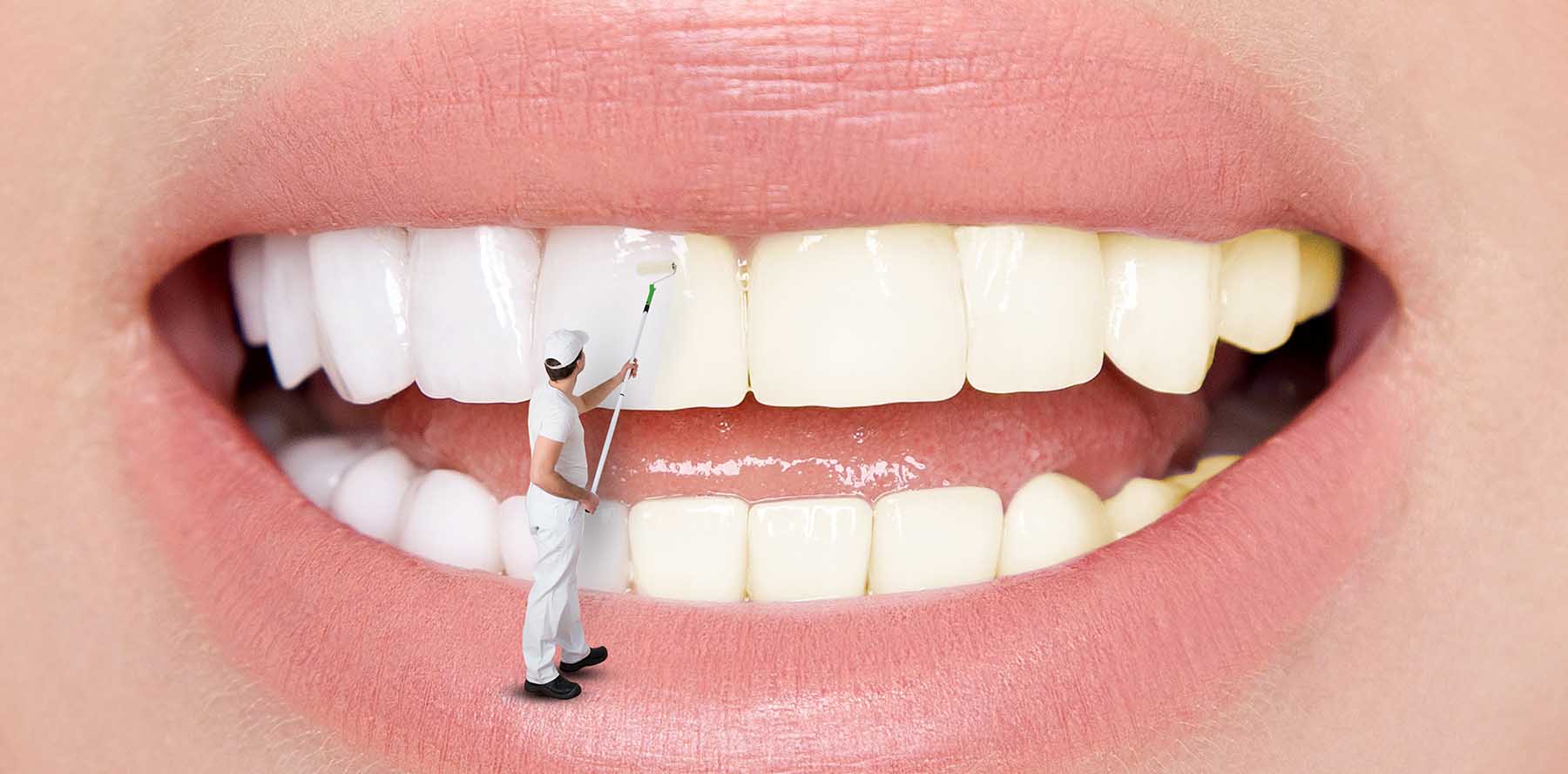
Food makes the teeth darken, there are other habits such as smoking or poor hygiene which cause stains on the teeth. Although sometimes stains on teeth are caused by a lack of mineralization. All these spots can be removed or improve the aesthetic appearance thanks to the aesthetic dentist. Tooth stains if they are in the vestibular area of ​​the anterior teeth affect causing an aesthetic problem for the patient. These spots can cause the patient to be afraid or embarrassed when they smile and that their self-esteem may decrease slightly. For this and health, we explain how tooth stains can be removed.

HOW TO REMOVE STAINS FROM TEETH?

The stains or stains of the teeth can be extrinsic or intrinsic, that is to say that they adhere to the tooth or that they are part of the nature of the tooth. The treatment varies depending on the type of dental stains. Most dental stains can be classified as light or white stains or stains and dark or black stains or stains. The white spots usually correspond to a hypoplasia or hypomineralization of the affected teeth, that is to say that there is a lack of mineralization in that area of ​​the tooth and it has not finished forming correctly so it is clinically visualized as a clearer coloring of the tooth. This dental alteration makes the teeth have a thickness of enamel in that smaller area, so they may be more susceptible to changes in the environment.

The treatment of these white stains varies depending on the extent of the tooth. Therefore, an adequate and specific diagnosis is necessary for each particular case and thus be able to offer the best possible therapy. In general, if hypoplasias affect a large part of the dental organ, cosmetic treatments that can cover this part should be performed, so dental veneers are usually performed. Dental veneers are thin sheets that adhere to the front surface of the teeth, thus improving the color, shape and sometimes the position of the teeth. It is a minimally invasive treatment since tooth preparation is minimal.

Usually the darkest dental stains usually correspond to extrinsic stains due to harmful habits or substance abuse. Although there are tetracycline stains that are an exception since it is intrinsic staining. Dark extrinsic stains are due to habits or foods that are acquired and that pigment the teeth by adhering to the surface of the enamel or tooth. Some of these substances are tobacco, coffee, tea, among others. Therefore, from Estudi Dental Barcelona we recommend reducing harmful and smoking habits as well as limiting and reducing the intake of these types of products and foods. We also advise you to carefully clean your teeth and use complementary methods, such as dental floss or interdental brushes, to improve hygiene and prevent the appearance of these stains on the teeth. If the stains are already deposited on the dental surface, they can be removed by a dental professional hygiene procedure and a polishing of the tooth surfaces.

Chlorhexidine used for more than 14 days may also produce extrinsic stains. It is a very reactive antiseptic substance that can cause dark and brown spots on the teeth. These stains, being extrinsic, are reversible and easy to remove with professional prophylaxis in the dental clinic.

Dental calculus or tartar can also cause a change in color and the appearance of stains on the teeth since it has a mineral composition and a porous appearance in which all types of pigments easily adhere. To avoid this, we recommend periodic cleaning with the specialist to control plaque and eliminate the deposition of tartar on the teeth, thus avoiding any type of dental and gingival disease.

How To Remove Stains From Teeth

Dark spots on the teeth can be caused by tetracyclines, causing an intrinsic type of staining. Tetracyclines are broad-spectrum antibiotics that were prescribed by doctors years ago to treat systemic pathologies. What was not known at the time that in the long run would produce such characteristic stains on the teeth? This type of staining produces an aesthetic clinical affectation. Intrinsic tetracycline stains can be removed or camouflaged by teeth whitening, although in severe cases the whitening is not enough and dental veneers are recommended to camouflage the defect of staining in the tooth. So the stains on the teeth can be removed to improve the aesthetics of the smile, but periodic reviews with the dentist are necessary to prevent more superficial stains and thus have a pleasant smile.

For Patients Who Are Missing One

If you’re currently missing one or more of your teeth, you may be looking for a way to transform your smile without compromising any more of your natural teeth. Rather than wear a partial denture, an implant can be placed to work on its own. Implants are designed to replace the root system as well as the crown of a missing tooth. This allows the implant to act as a foundation for other types of restorations, like crowns and bridges. Some patients will even use multiple implants to hold their denture in place, preventing the need for adhesive strips or gels.

If You’re Currently Missing One Or

Understanding the Technology Behind Implants

Implants are often made out of surgical-safe titanium. This titanium has been used in other procedures and prosthetics for many years. During surgery, the implant’s post is inserted into the jawbone and given time to heal. The healing process takes anywhere from three to six months. During this time, the implant undergoes a process known as osseointegration, which means that it will fuse naturally with the jawbone. This ensures that it is a solid and stable part of your smile for life.

Understanding The Technology Behind Implants

Who is a Good Candidate for Implants?

Because implants need healthy, solid bone to fuse with during the recovery process, patients should be free of any areas of bone loss where the implant is needed. To determine if you have bone loss, we’ll take x-rays and perform an examination. If it’s found that you do have bone loss, it is important to consider having a bone grafting done prior to the implants being placed into the jawbone. This can prevent the implant from becoming loose, which may cause it to fail over time. However, it is important to remember that the majority of our patients who want or even need a new implant can safely have the procedure done without needing additional surgeries or treatments.

What Can Be Expected During the Implant Procedure?

The procedure involves carefully inserted and embedding an implant into the jawbone. While the implant is healing, you will come in for regular checkup visits. We can check on the new implant to make sure that it is healing properly. Once fused with the bone, we will make a restoration that fits perfectly over the top of the new implant.

If you would like to learn more about how implant technology works, call us today so that we can help to answer any and all of your questions.

Most Implants Are Made Out Of Titanium

For patients who are missing one or more of their natural teeth, new technologies have come along to help replace what they’re missing. Dental implants work on their own, preventing the need for a partial denture or fixed bridge. The implant replaces both the roots as well as the upper crown of a missing tooth. You can benefit from a full, healthy and restored smile that will last you for years to come.

For Patients Who Are Missing One

What are Implants?

Most implants are made out of titanium, which is a durable and highly resilient material used in surgical procedures. The titanium implant’s post is embedded deep into the jawbone. It is given time to fuse and bond with the bone during a process that is known as osseointegration. Once fused, a crown or bridge can be made to be placed over the very top of the implant. Some patients even use multiple implants to hold a denture in place for a more secure and stable fit.

Most Implants Are Made Out Of Titanium 1

How Long Will an Implant Last?

The reason implants are a go-to option for many who are looking to restore their smiles is because they last for decades. In fact, most patients who have older implants have had them for 30 to 40 years without experiencing any problems. The implant itself is a restoration that you simply will not have to worry about once it has been given some time to heal. The process of osseointegration of the implant can take anywhere from three to six months. Once the implant has healed, you can feel confident that is will last you for a lifetime without needing repairs or total replacement.

Ways for Your to Maintain New Implants

The best way for you to maintain a new implant is with proper oral hygiene and regular trips into the dentist. Bone loss can loosen and cause damage to the implant itself. Because gum disease can lead to bone loss, preventing the disease with regular brushing and flossing is an absolute must. You should also make it a habit to come into the office every six months for a checkup visit. This allows us to check on the implant to ensure that it is still stable and strong underneath the gums.

If you would like to learn more about dental implants, call our office today and we can get you in for a quick and convenient consultation appointment.